By Grey Hadden
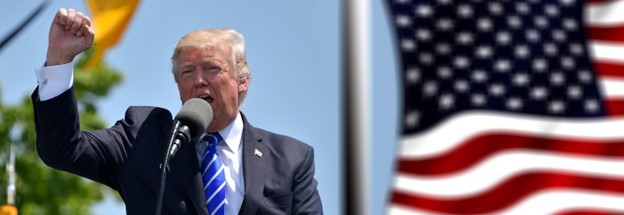
Donald Trump took the win and now major concerns hit over domestic policies he will enact that will affect College of Southern Nevada students. Professors weigh in on issues at hand.
Young voters cast 14% of all ballots in the 2024 election, according to the National Election Pool exit poll conducted by Edison Research. While this number may be adjusted in the coming days, and other data sources may show different numbers, this 2024 youth share of the vote was also lower than in 2020 at 17% and 2016 at 19% based on the same data source.
So few youngsters voted even though major issues affecting them were on the ballot: Department of Education cuts, FAFSA, reproductive rights, LGBTQ+, DACA and mass deportation, which will certainly affect many at the College that has an Hispanic Serving Institution distinction.
According to Inside Higher Ed’s Dec. 4 survey titled “Majority of College Students Believe their Vote Didn’t Matter in the Election”, it noted 57% of college students feel like their voice and vote made no difference in the 2024 presidential election. Only 14% of respondents said they strongly agree that their vote makes a difference, and the remaining 29% believe their vote matters somewhat.
Matthew Weiss, CSN professor of political science, says that some of his students are worried that Trump may eliminate the Department of Education. “This might throw the FAFSA process and financial-aid system — on which many if not most CSN students rely — into chaos.”
Trump previously made a statement in 2023 that he would close the Department of Education early into his administration. Weiss says, “It’s fair to assume that the concerns of students at CSN, UNLV and beyond, who are piling on student debt to fund their educations, have only been heightened since Trump won the election.”
Some CSN students may be impacted by possible legislation on reproductive rights. Weiss says, “There may be a significant erosion of reproductive rights and freedoms if Trump and the Republican majority in the House and Senate go for a total abortion ban… or… restrict medication abortions.”
Eric Davis, CSN Social Sciences Department chair and professor of political science and global studies, says he thinks Trump will leave reproductive policies to the states. Davis also remarks, “In states where abortion was on the ballot this year, those propositions that were designed to protect abortion did quite well, including in Nevada.”
LGBTQ+ students may also be affected by a second Trump term. Weiss says, “Trump clearly took aim at trans rights and the rights of LGBTQ+ individuals… in his first term, and it seems likely that those same discriminatory measures and executive orders will resurface.”
As an example, Weiss pointed out that Trump, “Weakened protections against discrimination for LGBTQ+ patients receiving medical treatment or healthcare services in his first term through the introduction of an executive order.” He adds, “Biden overturned this executive order as soon as he became president, and now there’s every reason to fear that Trump will reinstate it.”
One of Trump’s campaign promises was mass deportation of unauthorized immigrants. Weiss worries that if Trump follows through on these plans that, “Many Latinos, especially first and second-generation immigrants, will be gravely affected and it will place a huge strain on many Latino families and communities.”
He also adds that students who are DACA recipients and immigrants who have Temporary Protected Status could also be at risk. “It’s not clear if [they] will also be targeted by Trump’s mass deportation plans, but there’s good reason to fear that they will,” Weiss says.
Davis expects that Trump will increase the size of the border patrol by reallocating IRS agent positions to ICE, DHS and other agencies involved in border protection. He also says, “President Trump may move to eliminate incentives to enter the country illegally and or create disincentives to remain in the country.”
Trump has been quoted as saying that there is “no price tag” for his deportation plan.
When it comes to the economy, Davis says, “The main concern is Trump’s ability to get federal spending under control.” Even with the U.S. now $35 trillion in debt, Davis predicts, Trump will face a lot of resistance if he proposes spending cuts on Congress.
Davis does hope and expect that the president-elect will be good for the markets because, “Trump promised tax cuts that have the potential to help grow the economy and, accordingly, raise government revenue.”
Kenneth Fernandez, CSN political science program lead and professor, says some of what changed between the 2020 and 2024 election was the oscillating public opinion on the federal government in recent years because of the events of Covid-19.
Fernandez remarks, “President Trump’s loss in 2020 was due, in part, to voters’ disapproval of his response, or lack thereof, to Covid.” He says that in the 2024 election however, “Voters have a negative feeling toward the federal government — Biden, CDC, etc.– for policies to push and promote the vaccine on the public and increased government spending, which may have helped many people but may have helped spur on inflation.”



 Coyote Student News at the College of Southern Nevada